
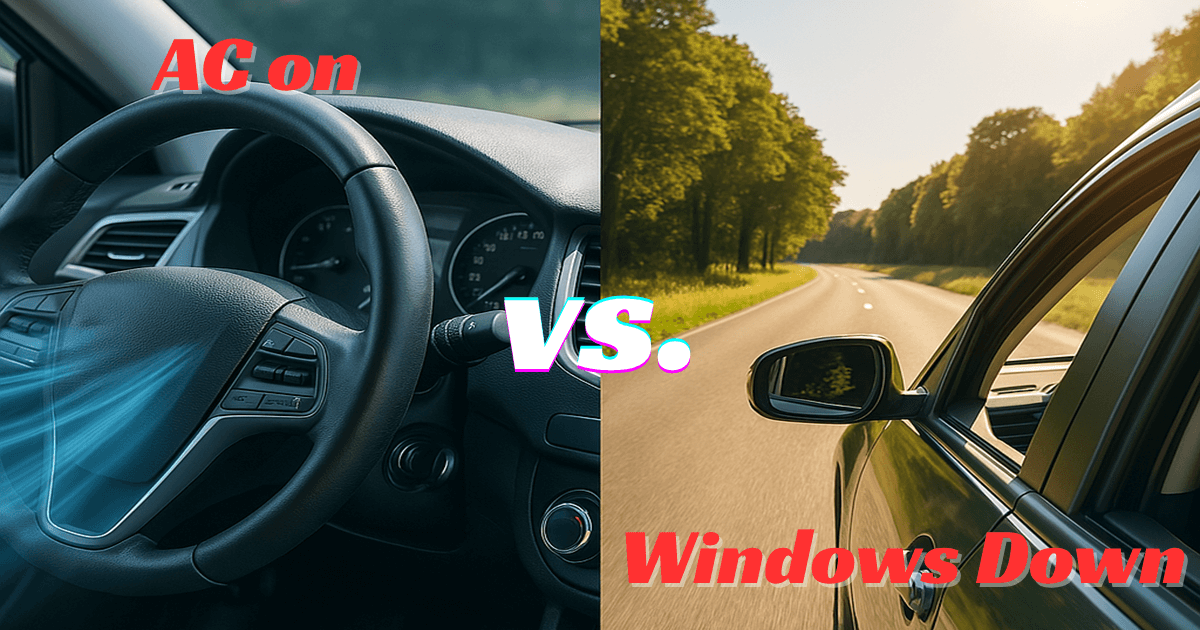
Car AC vs. Windows Down: Which saves more fuel? Discover the pros, cons, and best practices for staying cool and efficient this summer. #FuelEfficiency #CarTips
The Great Summer Driving Dilemma
It’s a sweltering summer day. You hop into your car, and the heat hits you like a wall. Now comes the age-old question: Should you blast the AC or roll the windows down? While comfort is key, many drivers also wonder which option is more fuel-efficient. The answer isn’t as straightforward as you might think — it depends on speed, vehicle type, and even the weather.
In this post, we’ll break down the science, myths, and real-world data behind car AC vs. windows down, so you can make smarter, more fuel-efficient choices on the road.
AC vs. Windows Down: The Fuel Efficiency Showdown
1. How Car AC Affects Fuel Economy
Turning on your car’s air conditioning system engages the AC compressor, which draws power from the engine. This extra load can reduce fuel efficiency by up to 20%, especially in older or less efficient vehicles.
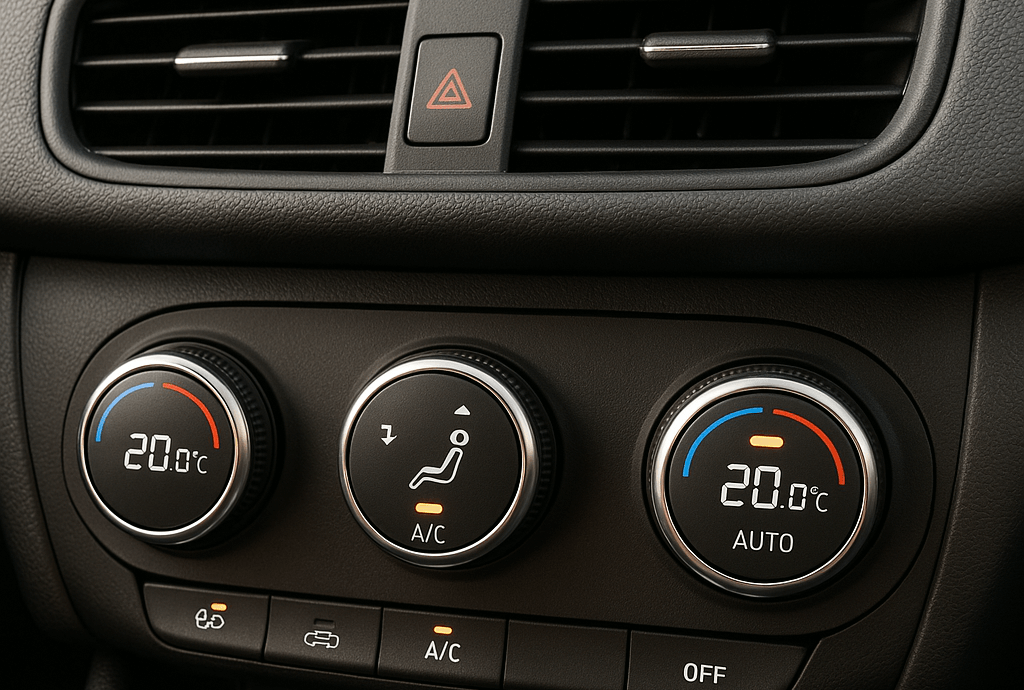
- At low speeds, the engine works harder to power the AC, leading to more fuel consumption.
- At high speeds, the engine is already producing more power, so the relative impact of AC use is lower.
Pro Tip: Use the recirculation mode to cool the cabin faster and reduce the compressor’s workload.
2. The Drag Effect: What Happens When You Roll the Windows Down
Rolling down your windows disrupts your car’s aerodynamics, increasing air resistance (drag). This forces the engine to work harder, especially at higher speeds.
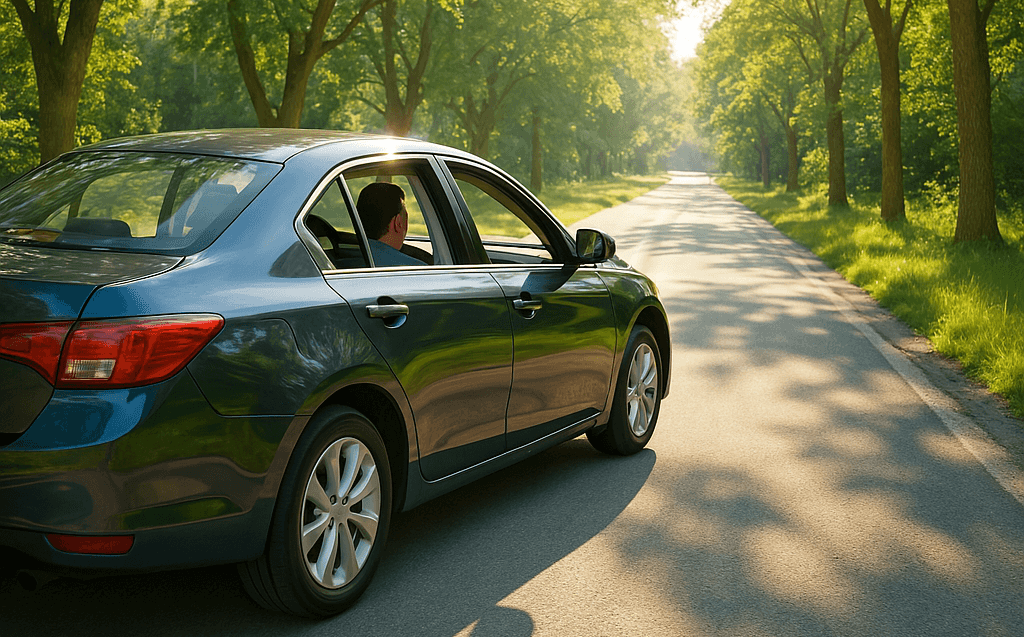
- At low speeds (under 40 mph), the drag is minimal, making windows-down a more efficient option.
- At highway speeds (above 45–50 mph), drag increases significantly, reducing fuel efficiency by up to 20%.
3. What the Studies Say
Research shows that:
- Driving with windows down can reduce fuel efficiency by up to 20% in sedans and 8% in SUVs.
- AC use can reduce mileage by 1–4 mpg, while windows down can cost 1.5–3.5 mpg depending on speed.
- Experts agree: windows down is better at low speeds, while AC is more efficient at highway speeds.
Pros and Cons: AC vs. Windows Down
| Feature | AC On | Windows Down |
|---|---|---|
| Fuel Efficiency | Worse at low speeds, better at high speeds | Better at low speeds, worse at high speeds |
| Comfort | Consistent cooling | Depends on outside air |
| Air Quality | Filters pollutants | Exposes you to outside air |
| Noise | Quiet cabin | Wind and traffic noise |
| Engine Load | Higher | Lower at low speeds |
When to Use What: A Speed-Based Guide
- Under 40 mph (city driving): Roll the windows down.
- Above 45 mph (highway driving): Use the AC with windows up.
- Stop-and-go traffic: Use AC in recirculation mode to avoid outside pollutants.
Tips to Maximize Comfort and Efficiency
- Pre-cool your car by parking in the shade or using sunshades.
- Ventilate before turning on the AC.
- Maintain your AC system regularly to ensure optimal performance.
- Use tinted windows or ventilated seats as alternatives to full AC use.
- Avoid idling with the AC on — it wastes fuel.
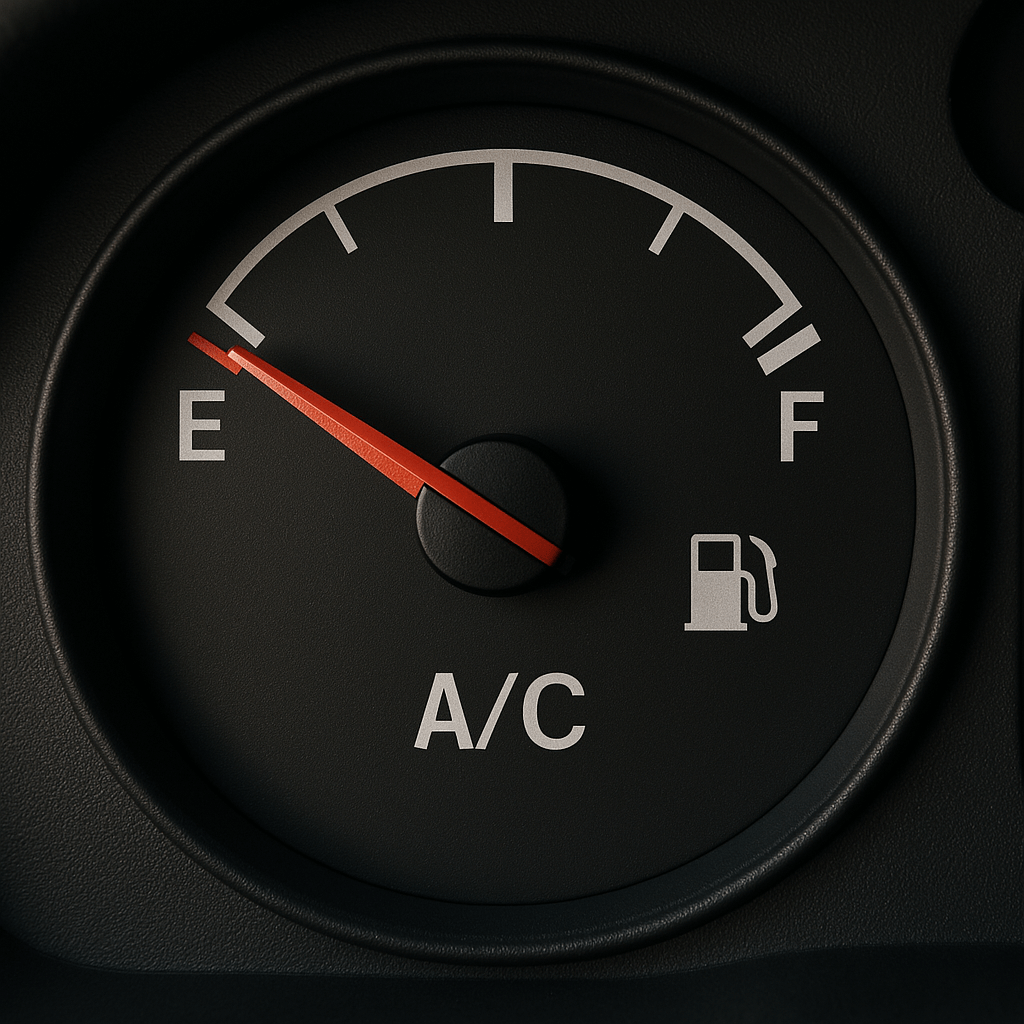
Conclusion: Choose Smart, Drive Cool
There’s no one-size-fits-all answer to the AC vs. windows down debate. But here’s a simple rule of thumb:
Low speeds = windows down
High speeds = AC on.
By understanding how each option affects your car’s fuel economy, you can make smarter choices that save money and keep you comfortable.
FAQ Section:
Does using AC really use more fuel?
Yes. The AC compressor draws power from the engine, which increases fuel consumption by up to 20% depending on your car and driving conditions.
Is it better to roll down windows or use AC at highway speeds?
At highway speeds, using the AC is usually more fuel-efficient due to reduced aerodynamic drag compared to open windows.
What’s the best option for city driving?
Rolling down the windows is generally more efficient at low speeds under 40 mph.
Can I improve AC efficiency?
Yes! Use recirculation mode, maintain your AC system, and avoid setting it to the coldest setting unnecessarily.